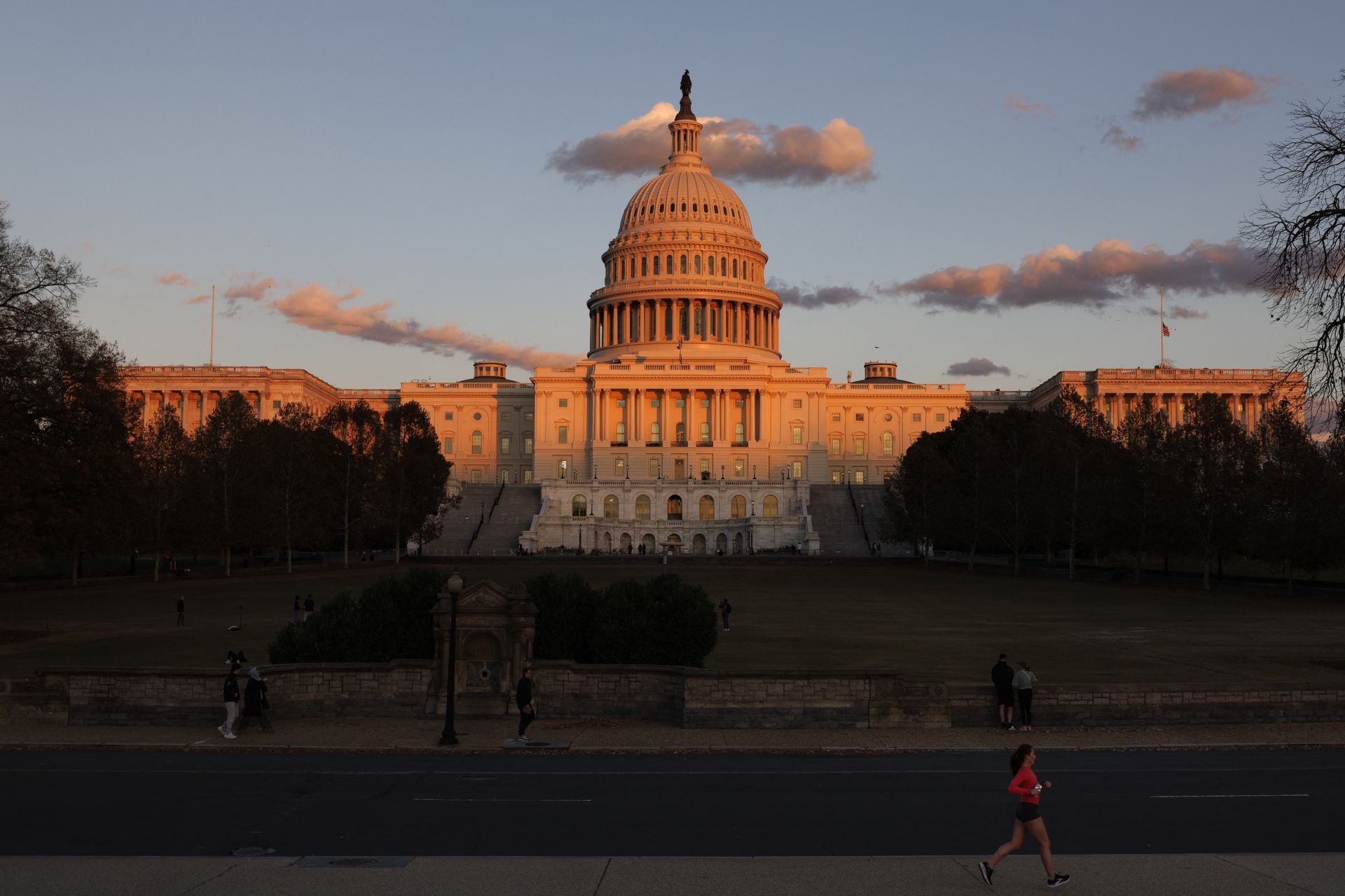
U.S. lawmakers introduced legislation on February 2 that would authorize President Trump to impose sanctions on foreign individuals or entities accused of interfering in Lebanon’s electoral process, including efforts to obstruct voting by Lebanese citizens living abroad.
The legislation would allow the president, in consultation with senior national security and financial officials, to impose sanctions on foreign persons found to have hindered, obstructed, or delayed Lebanon’s parliamentary elections or restricted diaspora voting rights. Authorized penalties include asset freezes under U.S. sanctions law, visa bans, and other measures available under the International Emergency Economic Powers Act.
The bill’s findings state that free, fair, and timely elections are essential to Lebanon’s sovereignty and political stability and note that Lebanese law provides for participation by citizens residing abroad. It also cites past interference in Lebanon’s political process by armed groups, corrupt political actors, and foreign entities.
Under the legislation, the administration would be required to submit an initial report to Congress within 60 days of enactment identifying individuals involved in election interference and assessing foreign involvement in Lebanon’s parliamentary elections scheduled for May 2026. Subsequent reports would be required every 180 days.
The bill defines election interference to include actions such as voter intimidation, manipulation of electoral administration, obstruction of overseas voter registration or ballot handling, and material support for such activities.
If enacted, the authority to impose sanctions under the measure would expire five years after the date of enactment.
The bill, H.R. 7311, titled the Lebanon Election Integrity and Diaspora Voting Protection Act of 2026, was introduced in the House of Representatives by Rep. Darrell Issa, with Rep. Darin LaHood as a co-sponsor. It was referred to the House Foreign Affairs Committee and, additionally, to the Judiciary Committee.
The Diaspora Vote and Upcoming Parliamentary Elections
Lebanon is tentatively scheduled to hold parliamentary elections in May 2026. Voting by Lebanese citizens living abroad has been a recurring point of contention since it was first introduced under Lebanon’s electoral law.
Some political factions have pushed to limit or delay diaspora voting, arguing that it presents administrative difficulties or raises legal concerns, while others have accused domestic actors of seeking to restrict the overseas vote for political advantage.
Parliament Speaker Nabih Berri, who heads the Amal Movement, has blocked in the legislature the proposed amendment to the electoral law to allow Lebanese expatriates to vote abroad in their districts of origin.
Berri and Hezbollah have pushed for the diaspora vote to be limited to six seats specifically created for expatriates voting abroad, as called for by the 2017 electoral law, but never implemented. Amal and Hezbollah believe that allowing Lebanese votes from abroad in all 128 parliamentary seats could disadvantage their electoral chances.
The parliamentary deadlock on diaspora voting could lead legislators to push back the date of the parliamentary elections, as they did in 2013, with the voting delayed by four years.

Comments